

Mastering Orchestral Score Arrangements: Unlocking Orchestral Arranging Techniques

Creating captivating orchestral music is a thrilling journey. It’s about blending sounds, textures, and emotions into a seamless musical story. When I dive into orchestral arranging techniques, I focus on clarity, balance, and creativity. These elements transform a simple melody into a rich, dynamic experience. Whether you’re working with a full symphony or a chamber ensemble, mastering these techniques will elevate your compositions and arrangements to new heights.
Understanding Orchestral Arranging Techniques
Orchestral arranging techniques are the foundation of any successful score. They involve knowing how to use each instrument’s unique voice and capabilities. For example, strings can provide warmth and lushness, while brass adds power and brilliance. Woodwinds bring color and agility, and percussion injects rhythm and excitement.
Here are some key techniques I always keep in mind:
Voicing and spacing: Properly spacing notes across instruments avoids muddiness and enhances clarity.
Instrument roles: Assigning melody, harmony, and rhythm to the right sections creates balance.
Texture variation: Mixing thick and thin textures keeps the listener engaged.
Dynamic contrast: Using crescendos, decrescendos, and accents adds emotional depth.
By applying these techniques, you can craft arrangements that feel alive and expressive. For instance, when writing a crescendo, I might start with a solo flute and gradually add strings, brass, and percussion to build intensity.

Essential Tools for Effective Orchestral Arranging
To master orchestral arranging techniques, having the right tools is crucial. I rely on a combination of traditional and digital resources to bring my ideas to life.
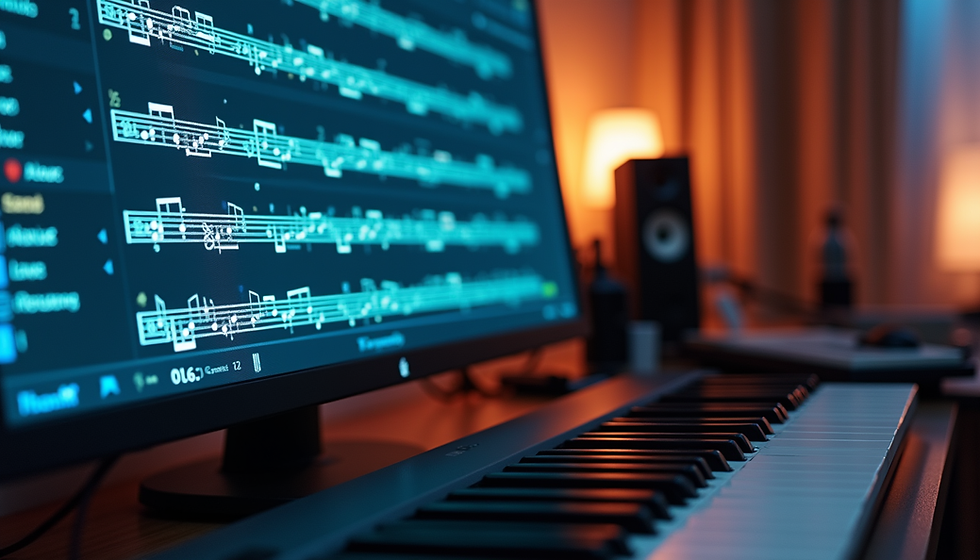
Scorewriting software: Programs like Finale, Sibelius, or Dorico allow precise notation and playback.
Sample libraries: High-quality orchestral samples help me hear realistic instrument sounds.
Reference scores: Studying scores from composers like Mahler, Stravinsky, or contemporary composers inspires new ideas.
Instrument ranges and techniques guides: Knowing each instrument’s limits and special effects ensures practical writing.
Using these tools, I can experiment with different orchestrations quickly. For example, I might test how a melody sounds when passed from clarinet to violin or try out a pizzicato string effect to add texture.
Crafting Melodies and Harmonies for Orchestras
Melody and harmony are the heart of any orchestral piece. When arranging, I focus on writing melodies that are singable and memorable. I also consider how harmonies support and enrich the melody without overpowering it.
Here’s how I approach this:
Start simple: Begin with a clear, strong melody line which sometimes comes from a kernel of a melody.
Build harmonies: Add chords that complement the melody’s mood.
Distribute parts: Assign harmonies to different sections for color and depth.
Use counterpoint: Introduce secondary melodies that interact with the main theme.
For example, a soaring violin melody might be supported by warm cellos and gentle woodwinds playing harmonies. Adding a subtle counter-melody in the oboe can create a beautiful interplay.

Balancing Texture and Dynamics in Your Arrangements
Texture and dynamics shape the emotional impact of your music. I always aim to create contrast and movement by varying these elements throughout a piece.
Texture: Alternate between full orchestral tutti sections and smaller chamber-like passages.
Dynamics: Use sudden changes or gradual swells to keep the audience engaged.
Articulation: Mix legato, staccato, and accents to add character.
For instance, a quiet, delicate passage with solo flute and harp can suddenly explode into a powerful tutti with brass and percussion. This contrast grabs attention and highlights key moments.
Tips for Polishing Your Orchestral Score Arrangement
Once the main structure is in place, refining your work is essential. Here are some practical tips I use to polish my scores:
Check instrument ranges: Avoid notes that are too high or low for players.
Simplify complex passages: Make sure parts are playable and clear.
Balance orchestration: Ensure no section overwhelms others unless intended.
Use rehearsal marks and cues: Help performers navigate the score easily.
Listen critically: Use playback and live readings to identify weak spots.
Remember, a well-crafted orchestral score arrangement invites musicians to bring your music to life with confidence and passion.
Embracing Creativity and Innovation in Orchestral Arranging
Orchestral music is a living art form. I encourage you to experiment with new sounds, combinations, and techniques. Don’t be afraid to break traditional rules if it serves your artistic vision.
Try these ideas:
Incorporate unconventional instruments or electronics.
Explore extended techniques like col legno or multiphonics.
Blend genres to create fresh, unique textures.
By pushing boundaries, you can develop a distinctive style that resonates with audiences and performers alike.
Mastering orchestral arranging techniques is a rewarding adventure. With practice, patience, and passion, you can create scores that inspire and captivate. Dive in, explore, and let your musical voice shine!


Comments