

Top Software for Orchestral Composing: Elevate Your Music Creation

Creating orchestral music is a thrilling journey. With the right tools, you can bring your musical ideas to life with stunning clarity and depth. Today, I’m excited to share some of the best software for orchestral composing that will inspire your creativity and streamline your workflow. Whether you’re crafting sweeping symphonies or intimate chamber pieces, these tools offer powerful features tailored to your needs.
Discovering the Best Software for Orchestral Composing
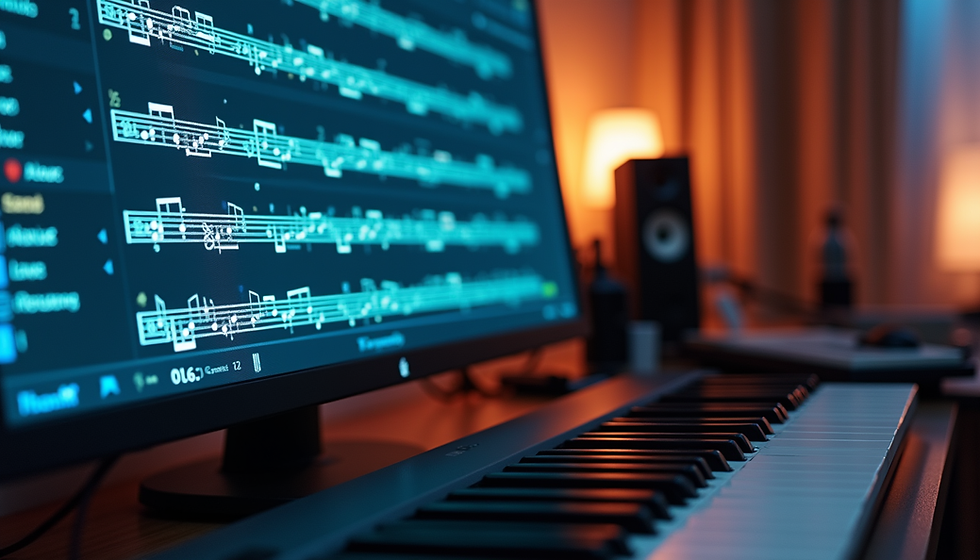
Choosing the right software can transform your composing experience. The best orchestral composition software combines realistic instrument sounds, intuitive interfaces, and flexible scoring options. Here are some top picks that stand out for their quality and usability:
Sibelius: A classic choice for composers, Sibelius offers a user-friendly interface and excellent notation tools. It’s perfect for writing detailed scores and hearing your music played back with high-quality sounds.
Finale: Known for its powerful notation capabilities, Finale lets you customize every aspect of your score. It’s ideal for composers who want full control over their orchestral arrangements.
Dorico: This newcomer has quickly gained popularity for its smart workflow and beautiful engraving. Dorico’s playback engine is impressive, making it easier to hear your compositions come alive.
Logic Pro X: While primarily a DAW, Logic Pro X includes a vast library of orchestral instruments and samples. It’s great for composers who want to blend traditional scoring with modern production techniques.
EastWest ComposerCloud: This subscription service offers access to a massive collection of orchestral samples. The sounds are incredibly realistic, perfect for creating cinematic scores.
Each of these tools offers unique strengths. Depending on your style and needs, you might find one fits your workflow perfectly or even combine a few for the best results.

Why This Software for Orchestral Composing Works Wonders
What makes these software options so effective? It’s their ability to simulate real orchestral instruments with precision and nuance. High-quality sample libraries capture the subtle articulations and dynamics that bring music to life. Plus, advanced MIDI editing and scoring features let you tweak every note until it sounds just right.
For example, Dorico’s intelligent note input and automatic part extraction save hours of work. Sibelius’s cloud sharing makes collaboration with musicians seamless. Logic Pro X’s integration with MIDI controllers lets you perform parts live, adding a human touch to your compositions.
Using orchestral composition software also means you can experiment freely. Try different instrument combinations, adjust tempos, and test harmonies without needing a full orchestra at your fingertips. This flexibility is a game-changer for composers aiming to refine their craft and produce professional-quality scores.
Is BBC Spitfire Free?
BBC Spitfire is a popular orchestral sample library known for its rich, cinematic sounds. But is it free? The answer is both yes and no.
BBC Spitfire offers a free version called "BBC Symphony Orchestra Discover". This version provides a selection of essential orchestral instruments, perfect for beginners or those on a budget. It’s a fantastic way to get started with realistic orchestral sounds without any upfront cost.
However, the full BBC Spitfire library, which includes a vast range of instruments and articulations, is a paid product. It’s an investment worth considering if you want the highest quality samples and extensive options for your compositions.
For composers looking to explore orchestral sounds without breaking the bank, starting with the free version is a smart move. You can always upgrade later as your needs grow.

Tips for Getting the Most Out of Your Orchestral Composition Software
To truly harness the power of your software, here are some practical tips:
Learn the shortcuts: Mastering keyboard shortcuts speeds up your workflow and keeps your creative momentum going.
Use templates: Set up templates for common orchestral setups to save time on every new project.
Experiment with articulations: Don’t settle for basic note playback. Explore legato, staccato, pizzicato, and other articulations to add realism.
Mix and balance: Use the software’s mixing tools to balance instrument volumes and create a natural soundstage.
Collaborate online: Many programs support cloud sharing, making it easy to get feedback from musicians or conductors.
Stay updated: Software developers regularly release updates with new features and bug fixes. Keep your tools current for the best experience.
By applying these strategies, you’ll compose more efficiently and produce scores that truly shine.
Expanding Your Musical Horizons with Technology
The world of orchestral composition is evolving fast, and technology is at the heart of this transformation. With these software tools, you can push creative boundaries and reach new audiences. Whether you’re scoring for film, theatre, or concert halls, the right software empowers you to express your unique musical voice.
I encourage you to explore these options, try demos, and find the perfect fit for your style. Remember, the best software is the one that inspires you to create your best work. Dive in, experiment, and watch your compositions soar!
Ready to take your orchestral compositions to the next level? These software tools are your gateway to professional, expressive music creation. Happy composing!


Comments